A front garden in one weekend
Gravel, brick edges, plants that need nothing and a screen for the bins.

- Where
- Size
- Room
- Budget
- Time
- Style
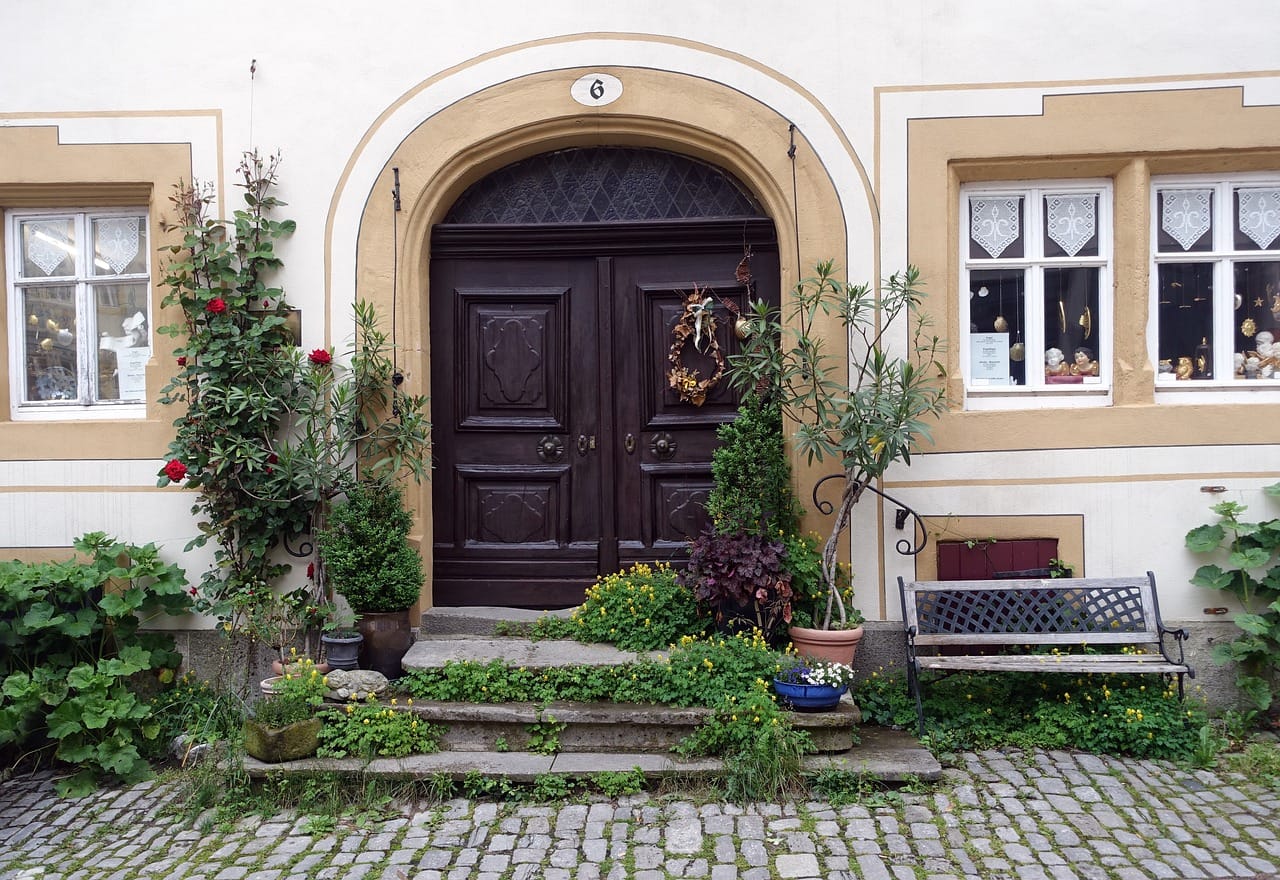
A front garden is the first thing visitors see and the last thing most of us look after. Jun and his neighbour transformed theirs in one weekend, with gravel, a few large pots and plants that need almost nothing. Here is the plan.
Start with the path
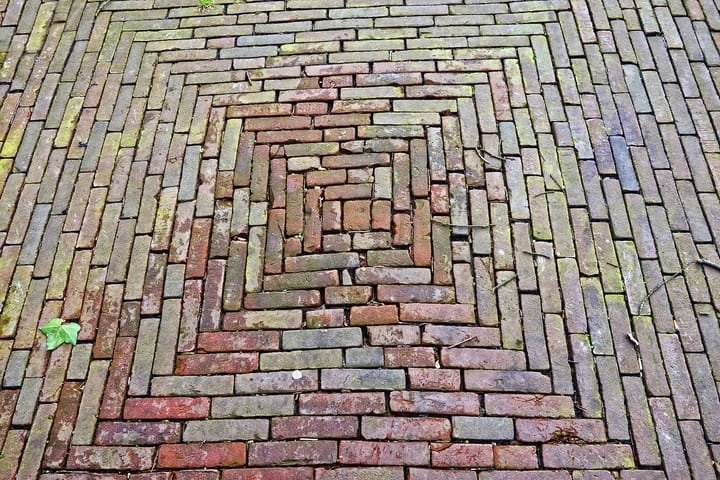
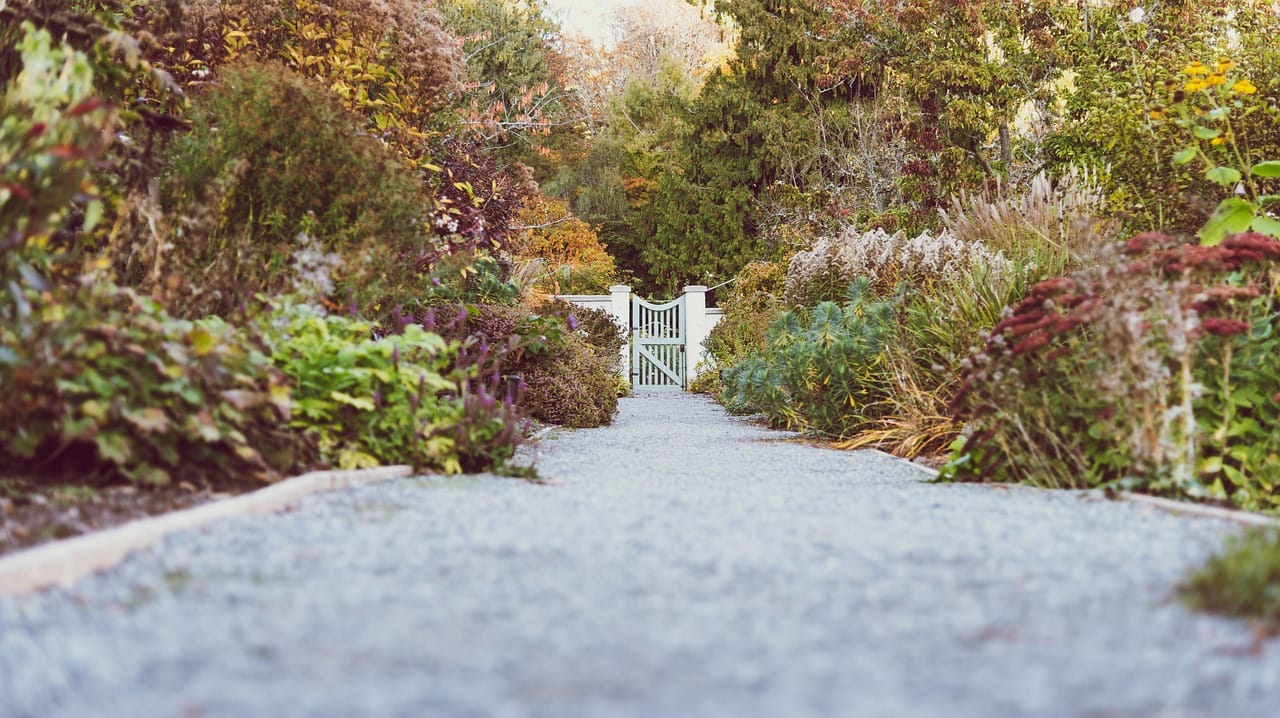
The path from the gate to the door decides how a front garden feels. Theirs was cracked concrete. They broke it up, laid a weed membrane and covered it with gravel, edged with reclaimed bricks on their sides. Gravel is cheap, drains well and makes a pleasant sound underfoot. It also tells you when someone is coming.
Plants that look after themselves
A front garden should look good all year with almost no work. They chose plants that are tough, evergreen or long-flowering:
- Lavender along the path, for scent and bees.
- Rosemary by the door, for cooking and for its winter structure.
- Grasses, which move in the wind and look good even when dry in winter.
- Geraniums, the hardy kind, which flower from June to October.
All of them like sun and dry soil, and none need watering once they are established.
Plant for the weather you have, not the garden you saw in a magazine.
Jun Tanaka
Pots by the door
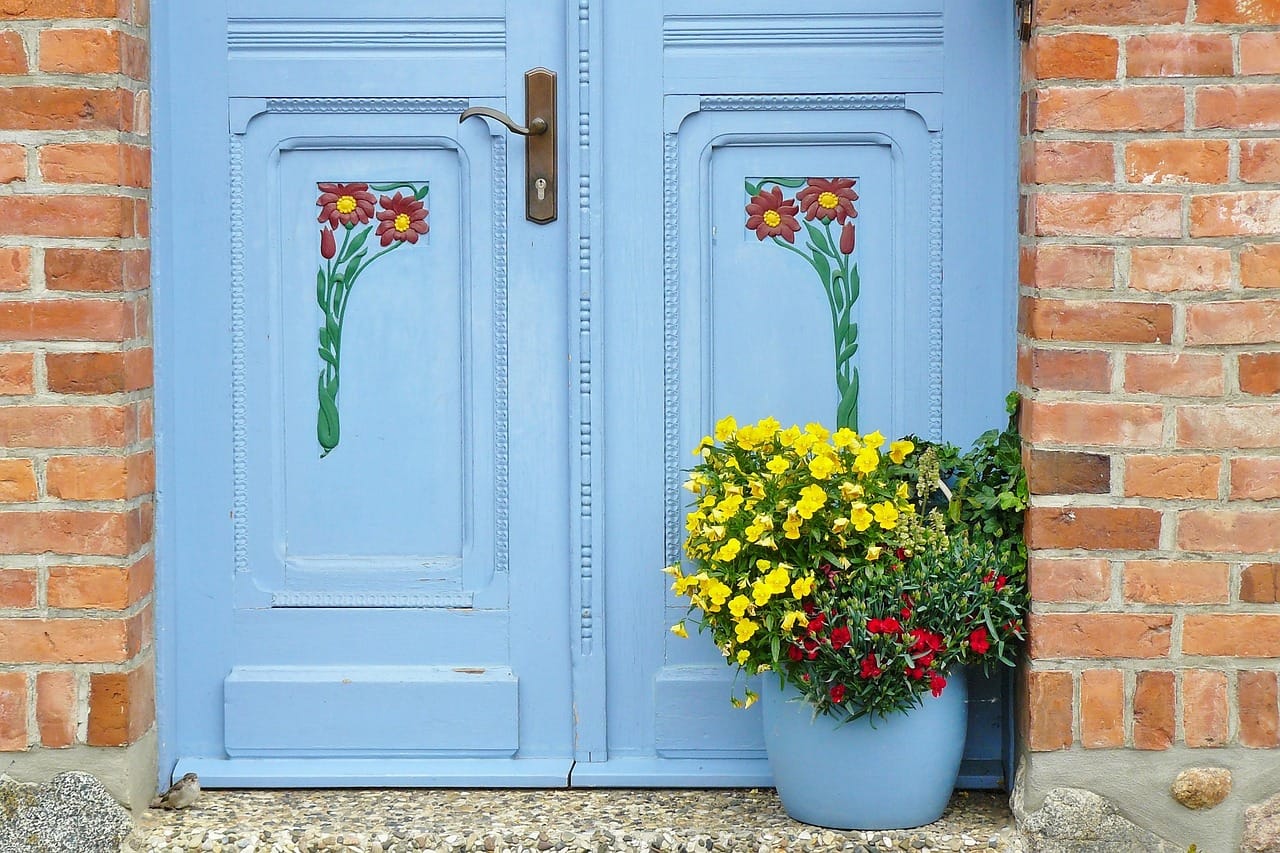
Two large pots by the front door make the entrance feel welcoming. Bigger pots are easier than small ones: they hold more soil, dry out more slowly and look more generous.
Bins and bikes
Most front gardens also have to hold bins, recycling and often bikes. They built a simple timber screen at the side of the garden, planted with a climbing jasmine, so the bins are hidden but still easy to reach.
The weekend
| Day | Job |
|---|---|
| Saturday morning | Break up and remove the old concrete |
| Saturday afternoon | Lay membrane, edge with bricks |
| Sunday morning | Spread gravel, plant borders |
| Sunday afternoon | Build bin screen, plant pots |
The whole project cost about £380, most of it on gravel and plants.