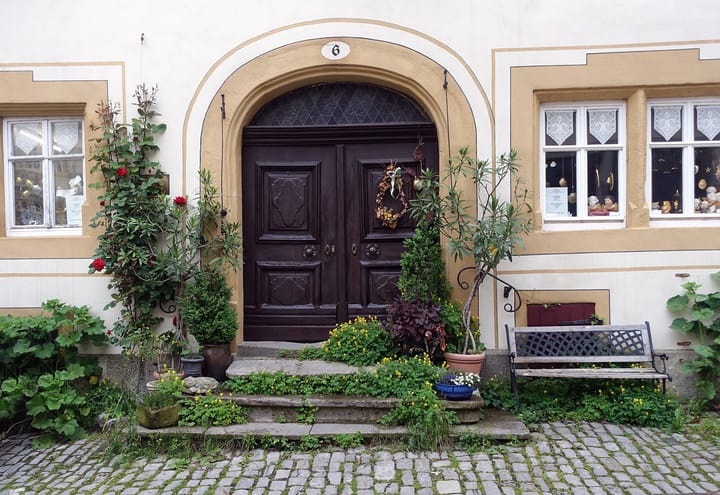
A balcony garden in terracotta pots
One metre deep, full sun from eleven, nine pots and an olive tree. A summer garden for £240.

- Where
- Size
- Room
- Budget
- Time
- Style
Our balcony is four metres long and one metre deep, and until last spring it held a broken chair and a bag of old compost. This is how we turned it into a small garden for about £240 and one Saturday afternoon, and how we kept it alive all summer.
Start with the light
Before buying a single plant, we watched the balcony for a day. It gets sun from eleven until about four in the afternoon, which counts as full sun in plant language. That decided almost everything: herbs, tomatoes and flowers that like heat, and no ferns.
Pots
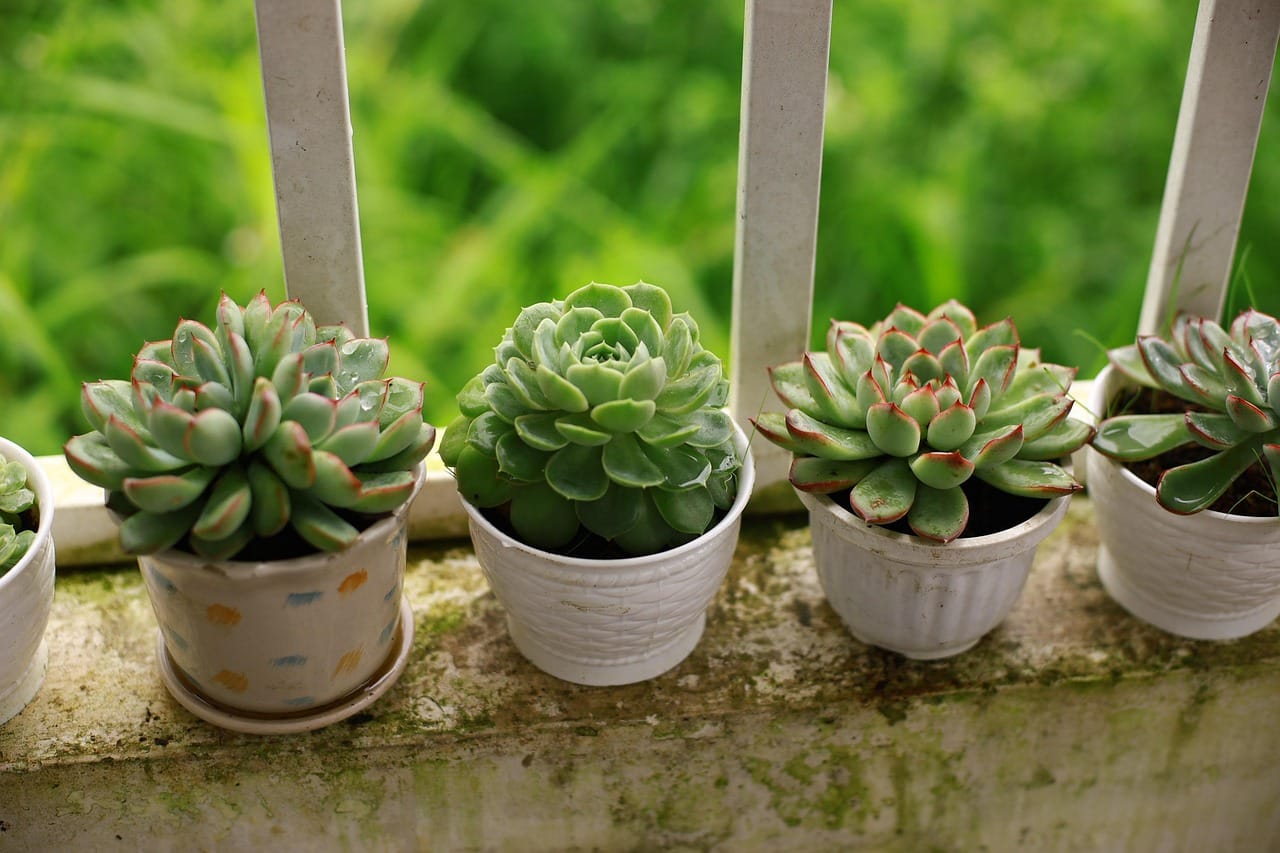
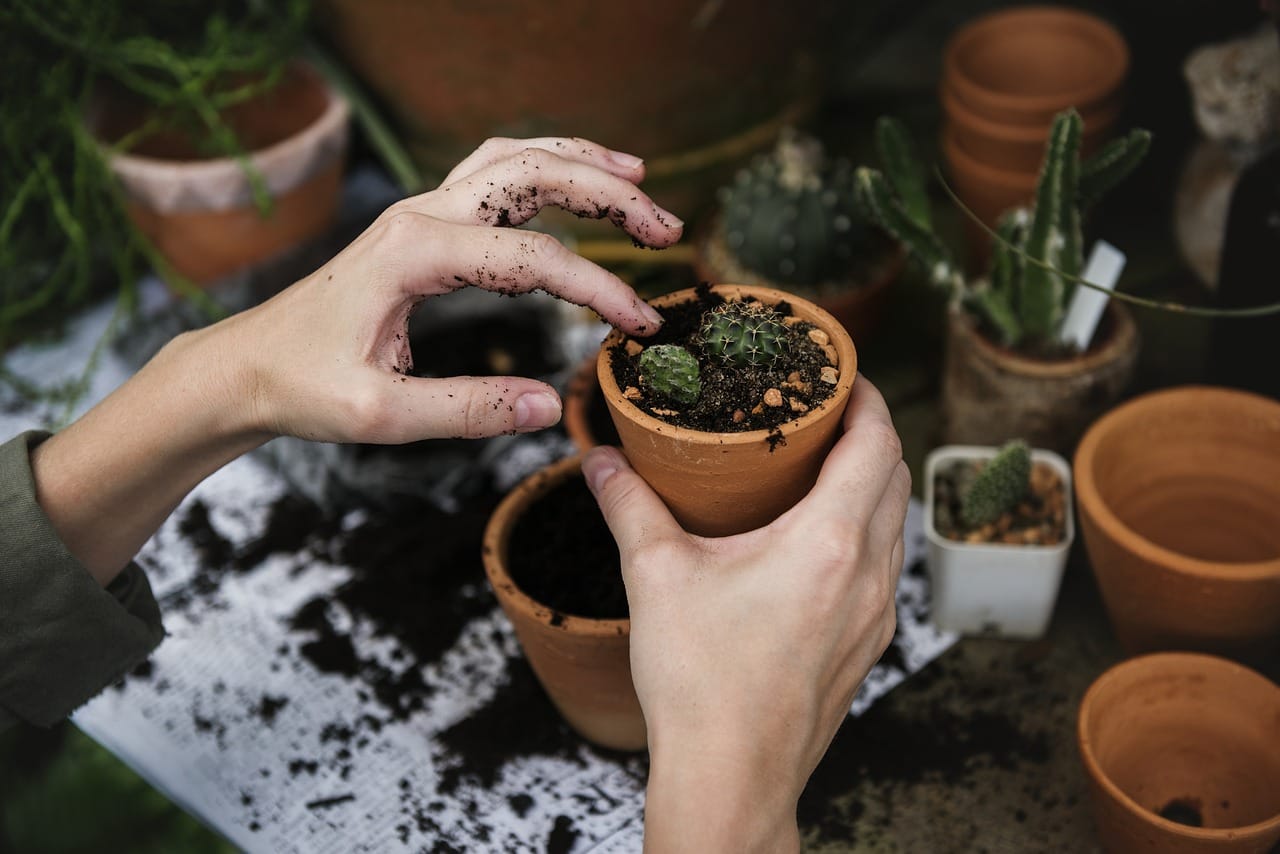
We chose terracotta, in three sizes, for three reasons: it looks warm next to our brick wall, it lets roots breathe, and it is heavy enough not to blow over. The downside is weight. A large terracotta pot full of wet soil weighs as much as a small child, so check what your balcony can hold.
- Large pots (40 cm): one olive tree, one tomato plant
- Medium pots (25 cm): rosemary, lavender, lemon verbena
- Small pots (15 cm): basil, thyme, mint, chives
Soil and water
Use a good peat-free compost made for containers, not garden soil, which packs down hard. We mixed in a handful of grit for the herbs, which like to dry out between waterings.
In summer, pots on a sunny balcony need water every evening, and twice on the hottest days. We put a watering can by the door so we could not forget it.
Herbs you will actually use
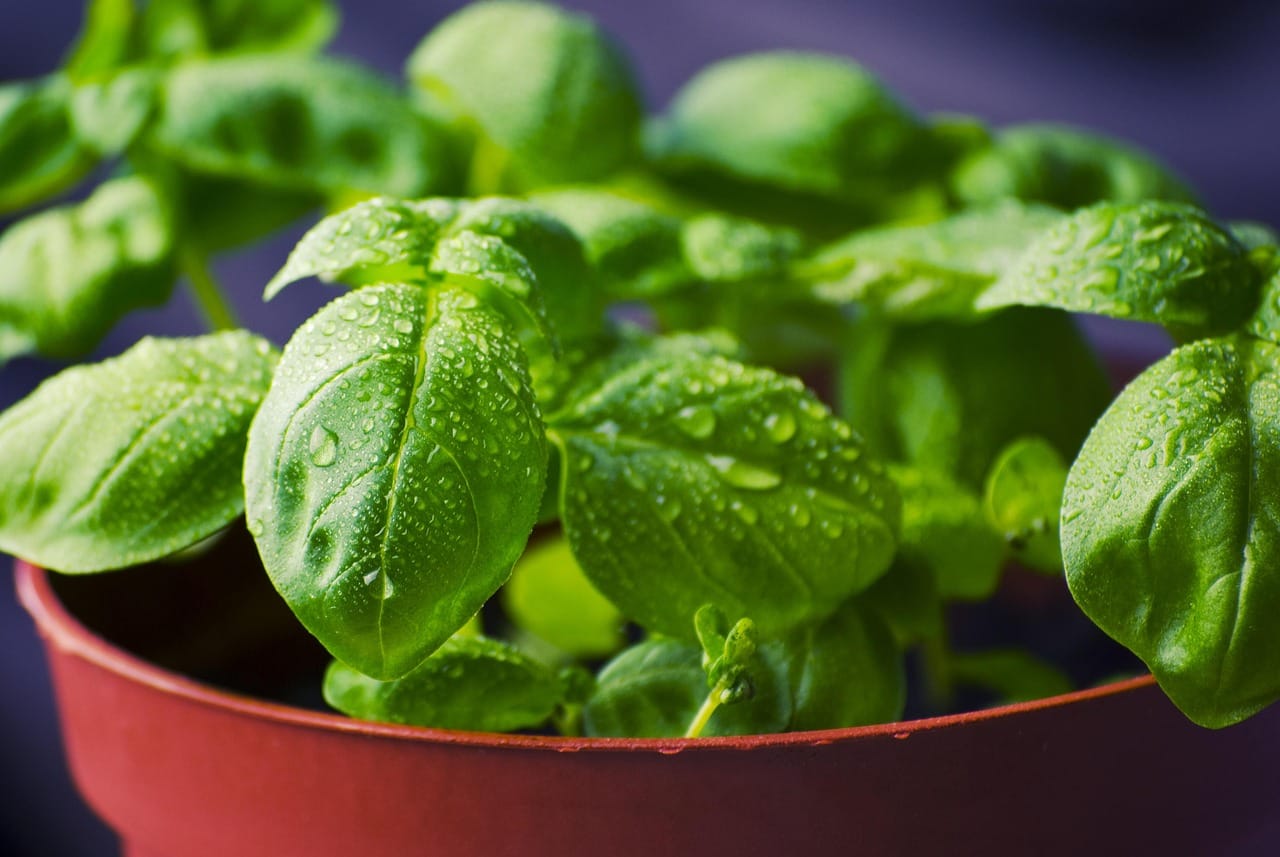
The best balcony plants are the ones you use in the kitchen, because using them keeps them growing. Basil, thyme, chives and mint gave us something to pick almost every day from May to October.
Light in the evening
We added one string of warm outdoor lights along the railing and two solar lanterns on the floor. The balcony went from being somewhere we watered plants to somewhere we ate dinner.

What it cost
- Nine terracotta pots: £110
- Compost and grit: £35
- Plants: £65
- Outdoor lights: £30
That is £240. The olive tree was the most expensive single plant, and the one we are proudest of.
A balcony garden is small enough to look after properly. That is its secret.
Jun Park
Autumn and winter
Most herbs die back in winter; rosemary, thyme and the olive tree stay. We cut back the rest in October, wrap the olive pot in hessian when it freezes, and start again from seed in March.
Watering while you are away
Pots on a sunny balcony can dry out in two days in July. Before a week away, we group all the pots together in the shadiest corner, water them deeply, and push an upside-down plastic bottle with a few small holes in its cap into each large pot. It is not elegant, but everything was alive when we came back.
For longer trips, a simple drip kit connected to a tap or a large water container is worth the thirty pounds. Ask a neighbour to check it once.
Wind
High balconies are windy, and wind dries plants faster than sun. Put tall plants in heavy pots against the wall, keep light pots low, and never hang a basket where a strong gust can take it. A simple bamboo screen along one end of the railing made our balcony calmer for plants and for people.
Feeding
Compost in pots runs out of food after about six weeks. From June to August we add a liquid seaweed feed to the watering can every other week. The basil and the tomatoes noticed immediately.
A planting plan for a small balcony
If you are starting from nothing, this is the order we would plant in. In April, sow basil and chives on a sunny windowsill indoors. In May, after the last frost, buy a rosemary, a thyme and a lavender as young plants, and one bigger plant, such as an olive or a bay tree, to give the balcony a shape. In June, plant tomatoes and move the basil outside. From then on, pick something every day.