The kitchen we didn’t rip out
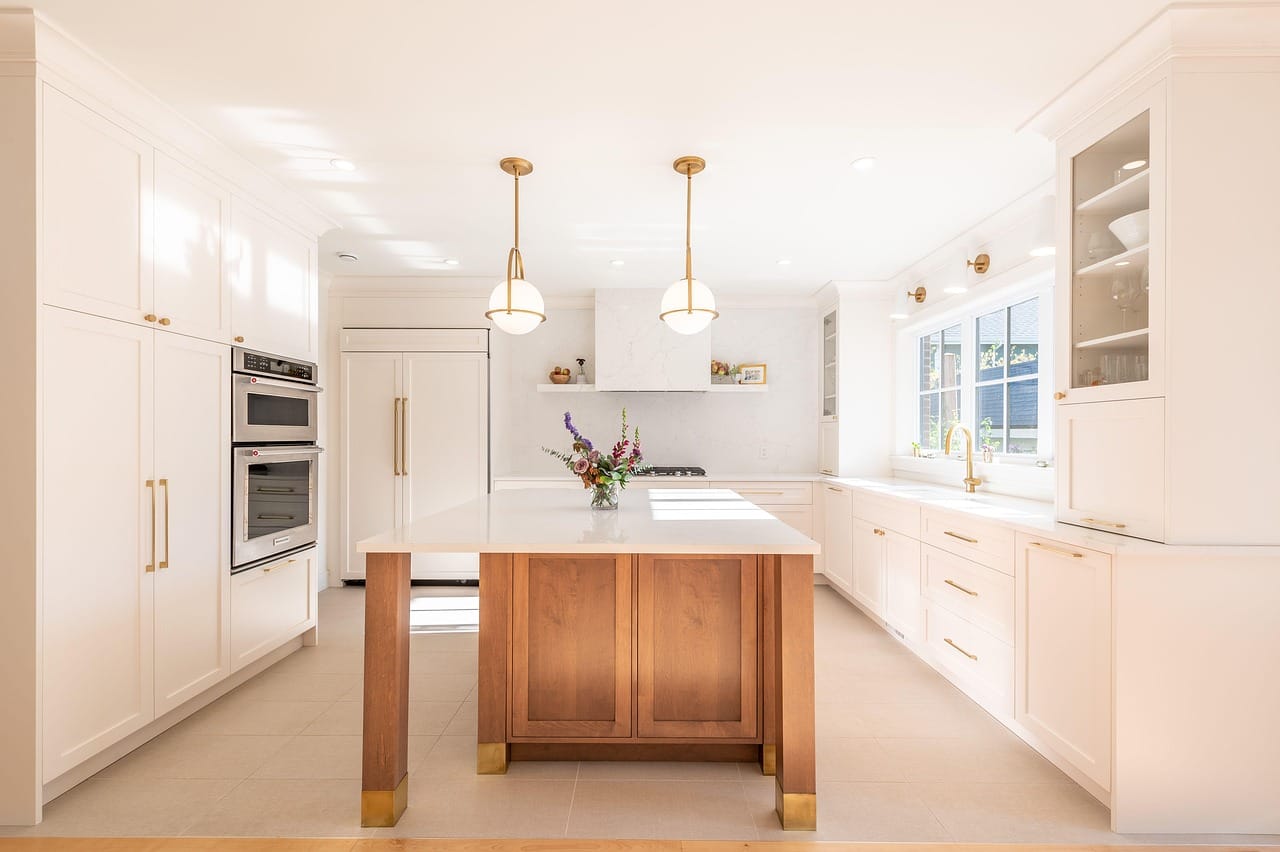
Painted doors, brass handles and an oak worktop: a new kitchen for a quarter of the price.

- Where
- Size
- Room
- Budget
- Time
- Style
Every kitchen designer we spoke to told us to start again. The cabinets were twenty-two years old, the doors were a tired orange pine, and the worktop had a burn mark the shape of a saucepan. We did not start again. We painted, changed what we touched every day, and kept the rest. It took five weeks and cost £3,200.
Why we kept the carcasses
The boxes behind the doors, the carcasses, were solid, square and dry. That is the expensive, invisible part of a kitchen, and ours had nothing wrong with it. New cabinets would have cost about twelve thousand pounds and sent a van of perfectly good boards to the tip.
So we made a simple rule: keep what works, change what we touch. Doors, handles and the worktop are touched every day. The boxes behind them are not.
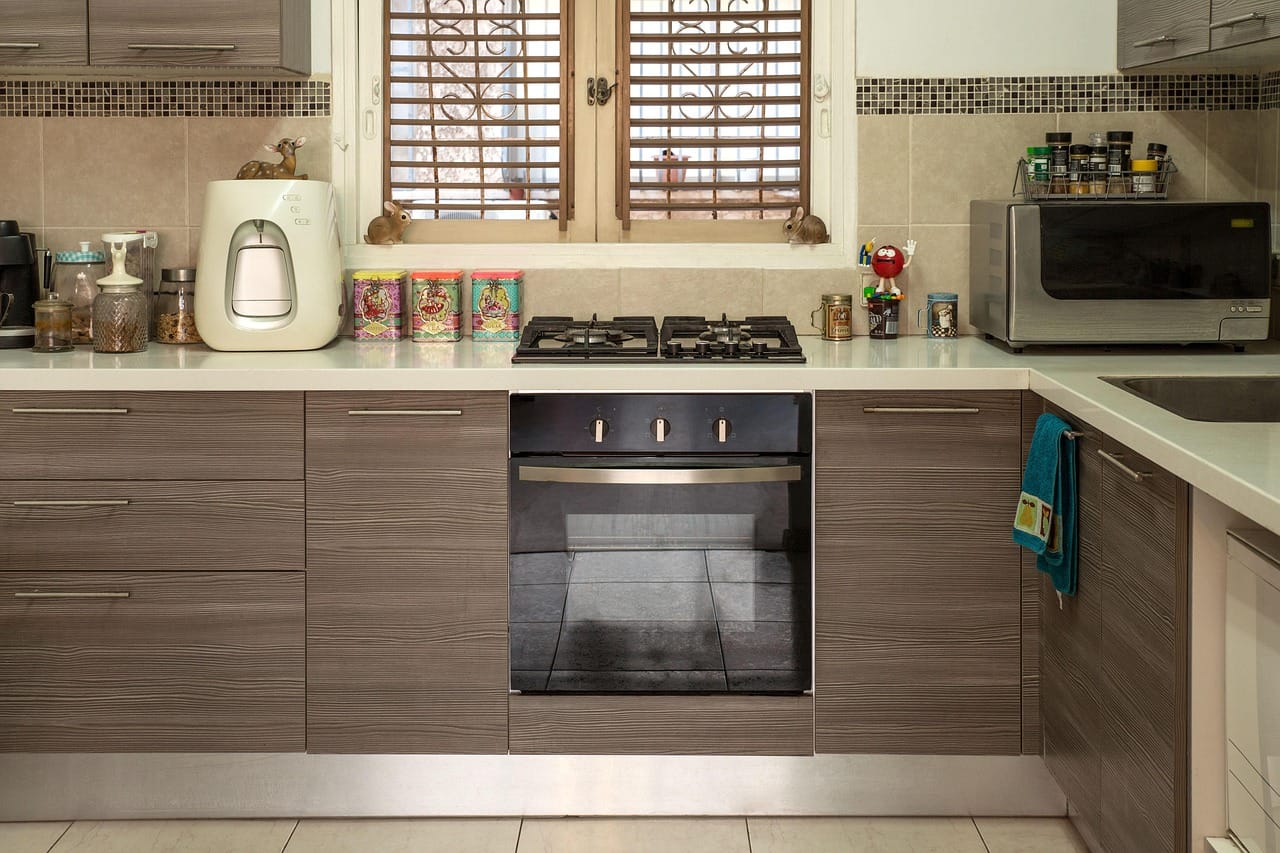
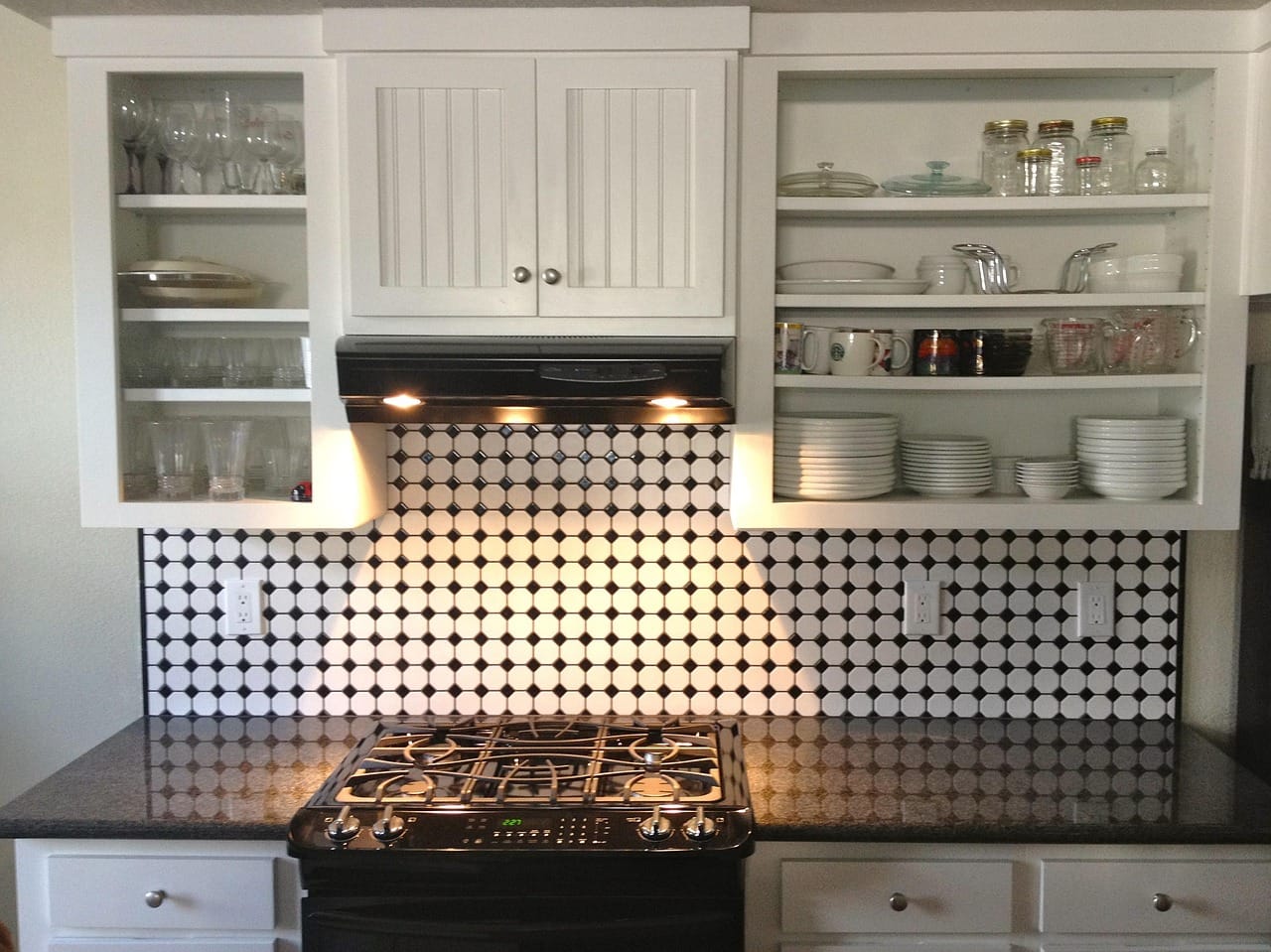
Painting the doors
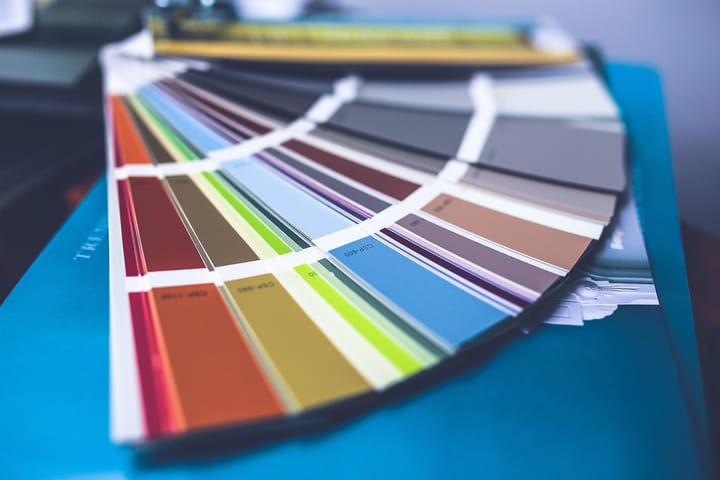
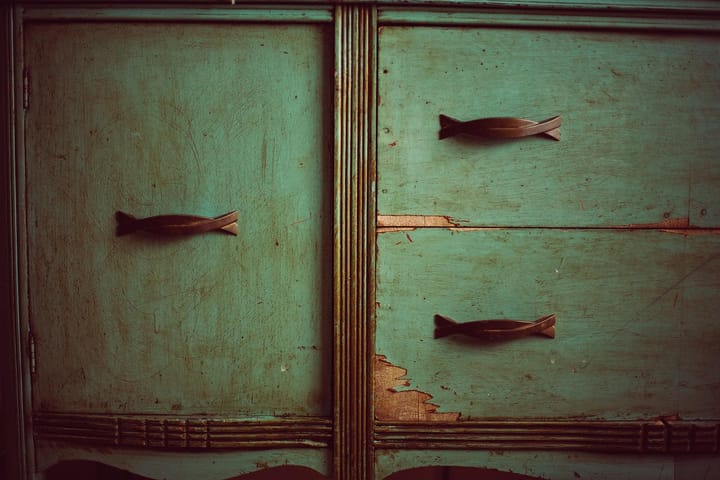
We took every door off, numbered the hinges with tape, and laid them out on trestles in the garden. Each door had a light sand, a coat of a bonding primer, and two thin coats of a hard-wearing eggshell. The colour is a deep, slightly green blue that looks almost black at night.
The trick is patience between coats. The paint is dry to the touch in an hour and hard in a week. Hang the doors too early and every knock leaves a mark.
Handles, the small big change
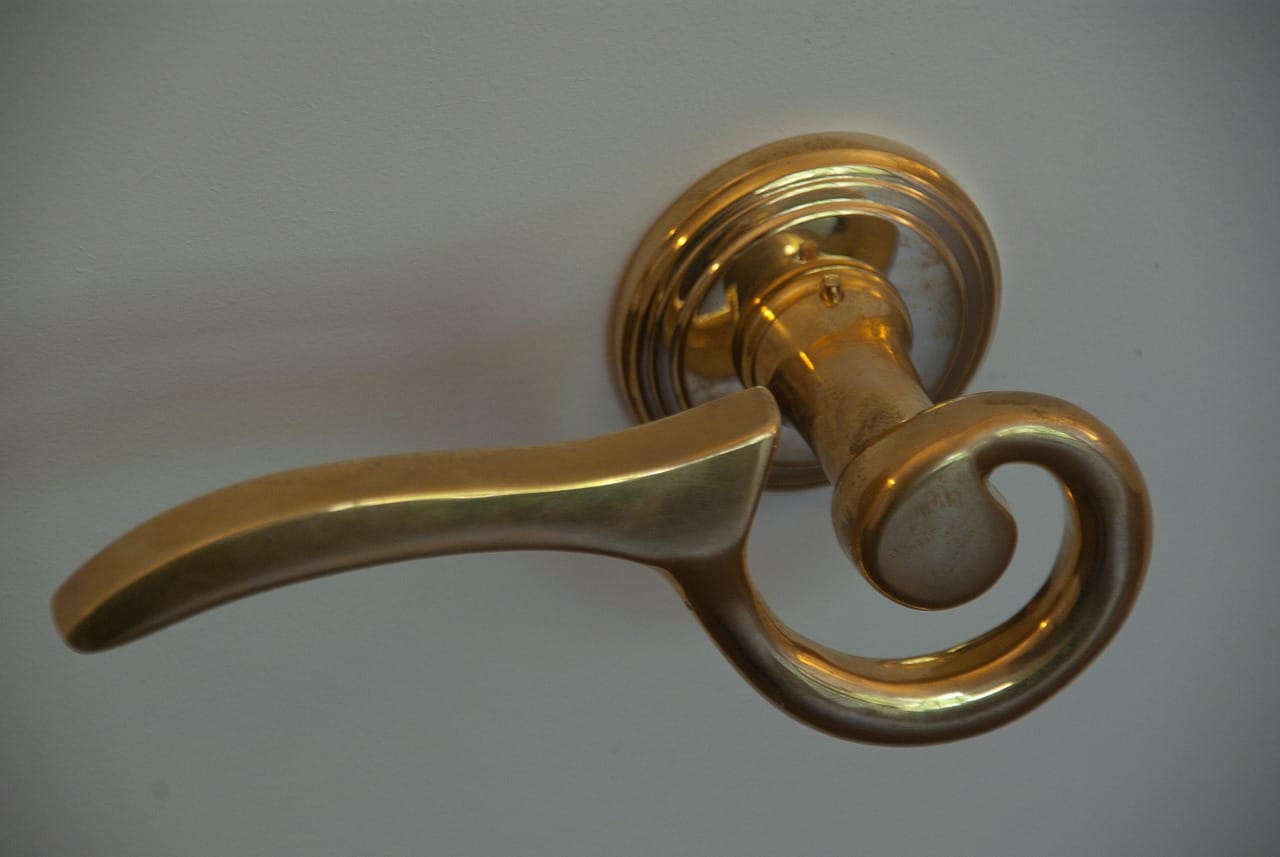
The handles cost more than any other single thing, and they changed the kitchen most. Brass warms up a dark colour, and unlacquered brass changes with use: in a year, the handle on the cutlery drawer will be darker than the one on the baking tins. We like that the kitchen will show how we use it.
The worktop
We replaced the laminate with oiled oak. It is not the easiest surface, since it needs oil every few months and does not like hot pans, but it is warm to touch and it can be sanded back when it marks. A stone worktop would have been twice the price and would have needed a template, a wait and a team to fit.
Open shelves, in moderation
We took down two wall cupboards and put up two oak shelves in their place. Open shelves are lovely in photographs and dusty in real life, so we kept them for things we use every day: plates, glasses, a few jars.
The cost
- Paint, primer, rollers and sandpaper: £280
- Brass handles and knobs (26): £640
- Oak worktop, cut and oiled: £1,450
- Oak shelves and brackets: £230
- New tap: £380
- Electrician for two new sockets and under-shelf lights: £220
Total: £3,200. A new kitchen of the same size would have been between twelve and eighteen thousand.
Five weeks, one kitchen
The first week was preparation and the last was waiting for paint to cure. In between, we cooked on a camping stove in the dining room for four days while the worktop was fitted. Plan for that. It is the part that makes you question the whole idea.
We didn't buy a new kitchen. We bought back the one we had.
Ade Okafor
Would we do it again?
Yes, with one change: we would have the doors sprayed by a professional. We saved about £600 doing it ourselves and spent eleven evenings on it. Your time has a price too.
Lighting
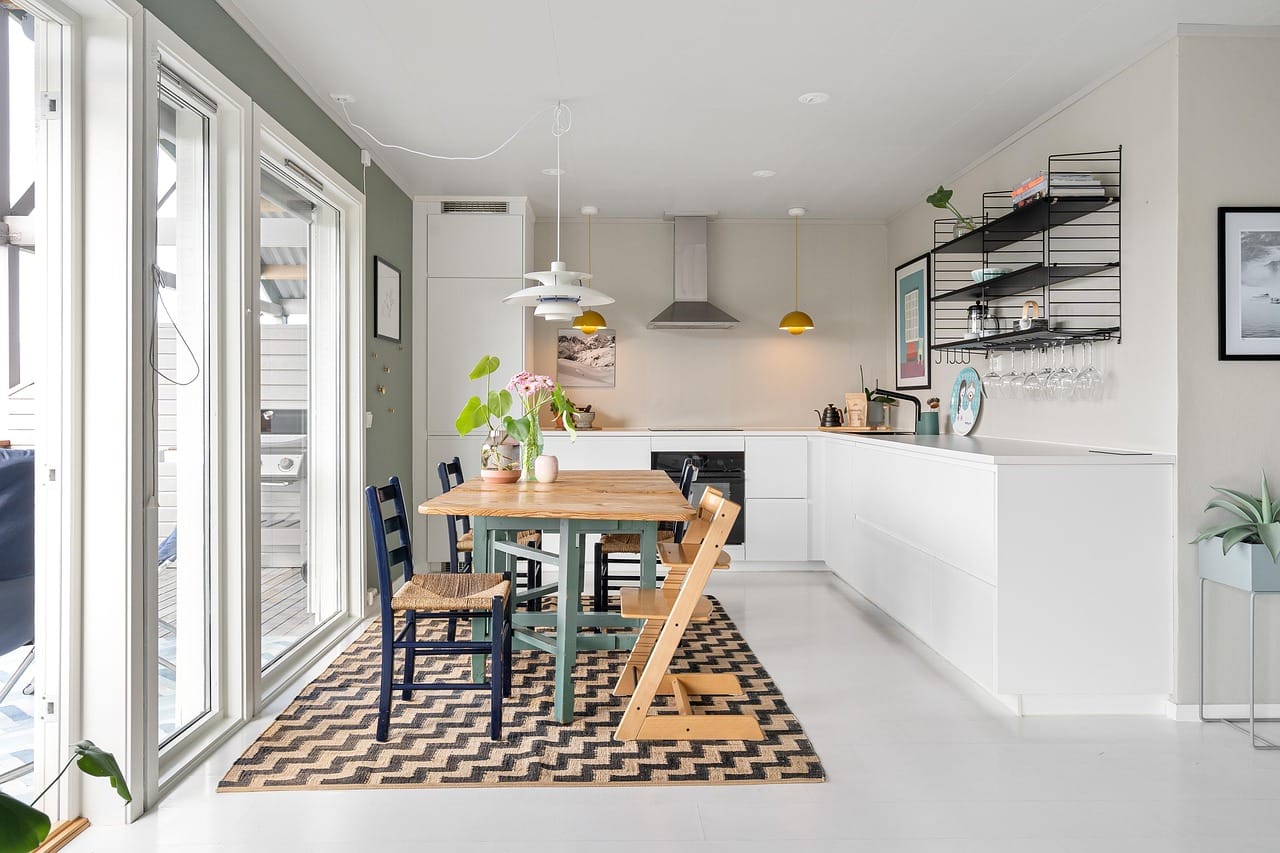
The old kitchen had one fluorescent tube in the middle of the ceiling. We replaced it with three kinds of light: a warm strip under each shelf to light the worktop, two pendant lamps over the table, and the original ceiling point with a simple warm bulb for cleaning. On most evenings only the strips and the pendants are on, and the dark blue doors look almost black and velvety.
Lighting under shelves was the best £220 of the whole project. You see what you are cutting, and the kitchen looks finished even when it is full of washing-up.