Open kitchen shelves: an honest guide
Light, cheap and easy to reach, and a dust trap for anything you do not use every day.

- Where
- Size
- Room
- Budget
- Time
- Style
Open shelves are one of the most argued-about choices in a kitchen. Some people love them: light, open, everything in reach. Others think they are a dust trap that only works in photographs. We have lived with both, and here is our honest view.
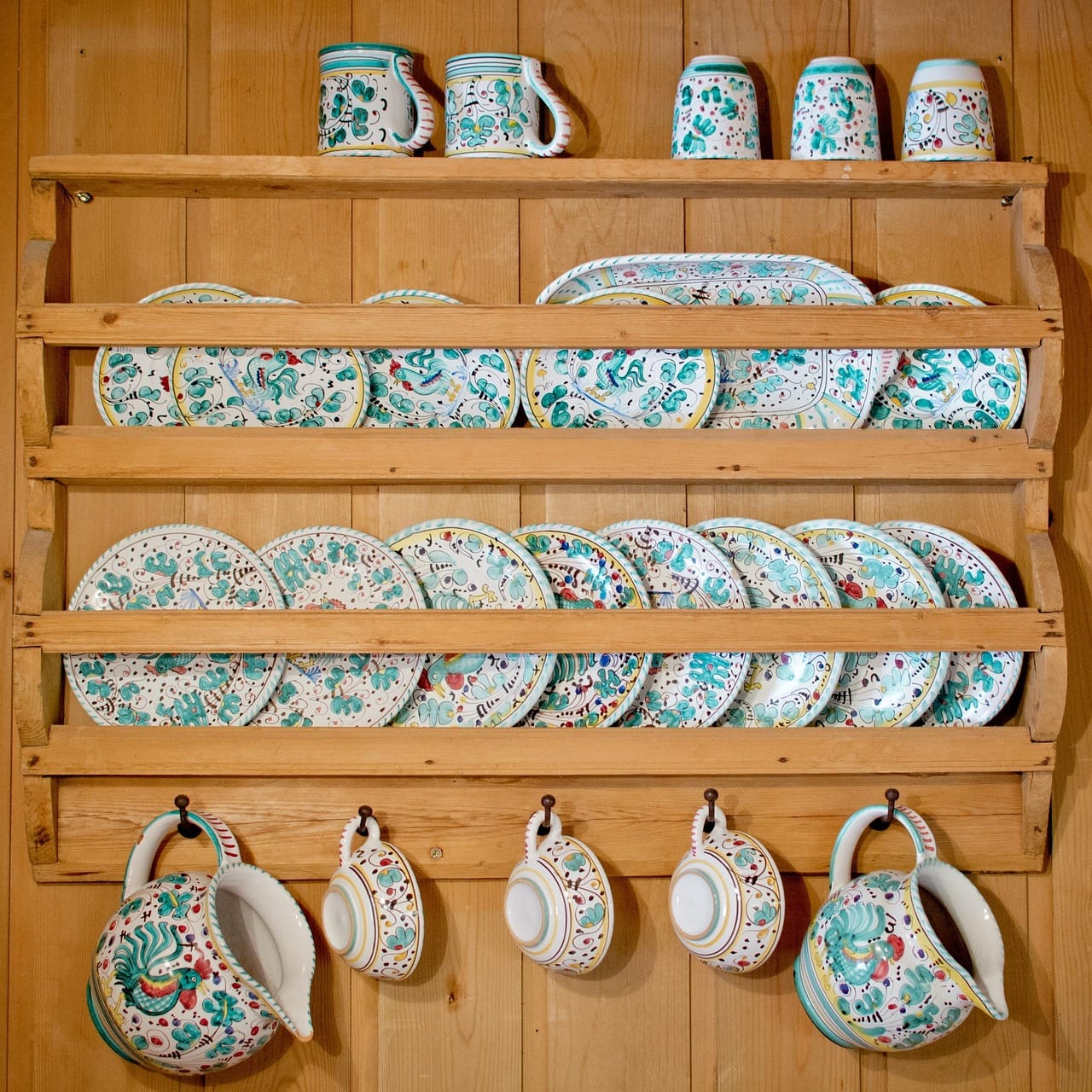
What open shelves do well
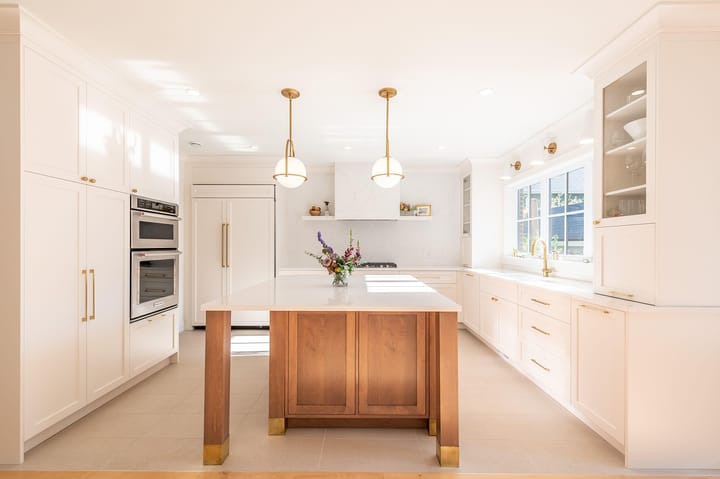
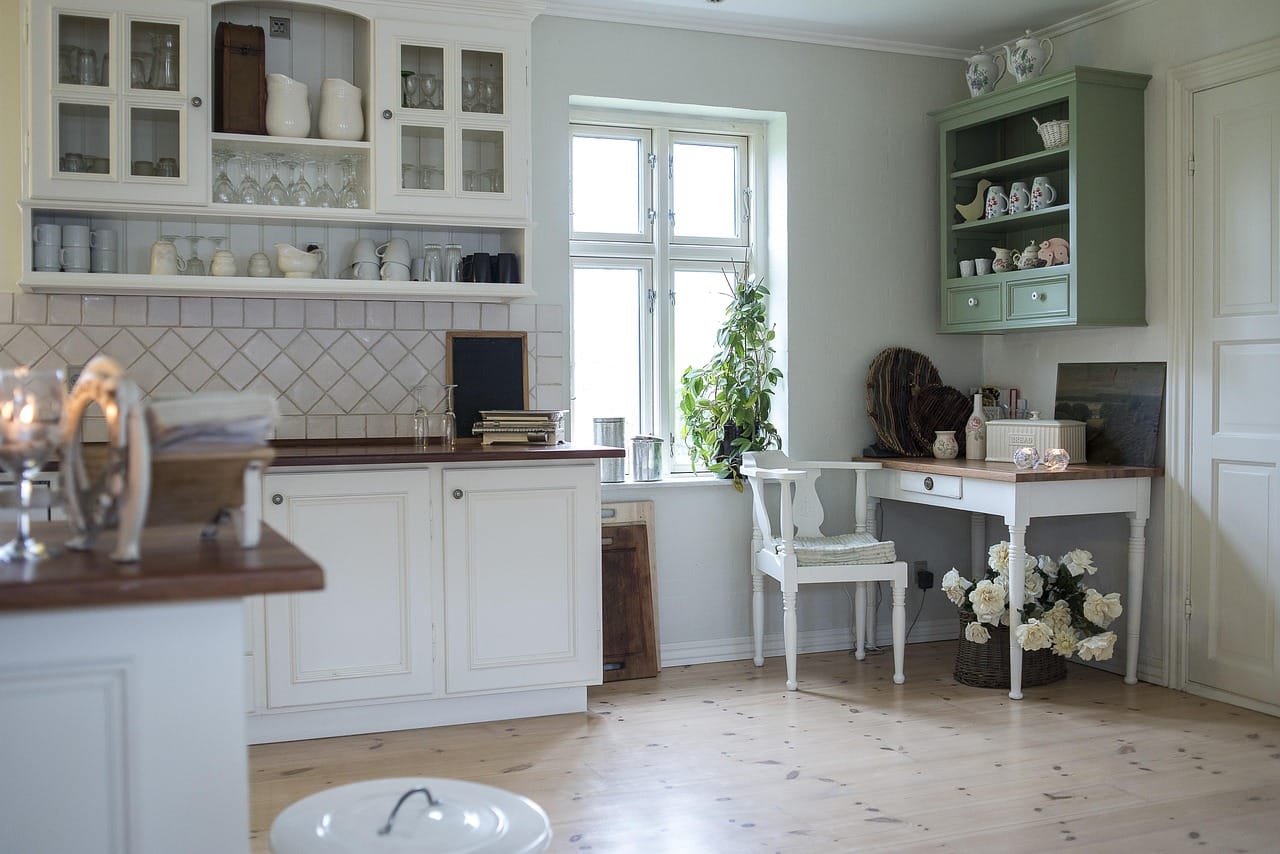
They make a small kitchen feel bigger. Wall cupboards are heavy boxes at eye level. Replacing them with one or two shelves opens the wall and lets light reach the worktop.
They are cheaper. A good oak shelf and two strong brackets cost a fraction of a row of wall cupboards.
They make things easy to find. Guests can find a glass without opening six doors.
What they do badly
Dust and grease. Anything you use less than once a week will collect a fine layer of both, especially near the hob.
They show everything. Mismatched mugs, half-empty packets and the plastic box you have been meaning to throw away are all on display.
They hold less. One shelf holds about a third of what a wall cupboard holds.
Open shelves are not storage. They are a display of what you use every day.
Ade Okoro
How to make them work
The rule we follow is simple: only things you use every day go on open shelves. Plates, glasses, mugs, a few bowls, the oils you cook with. Those get washed so often that dust never settles. Everything else goes behind doors.
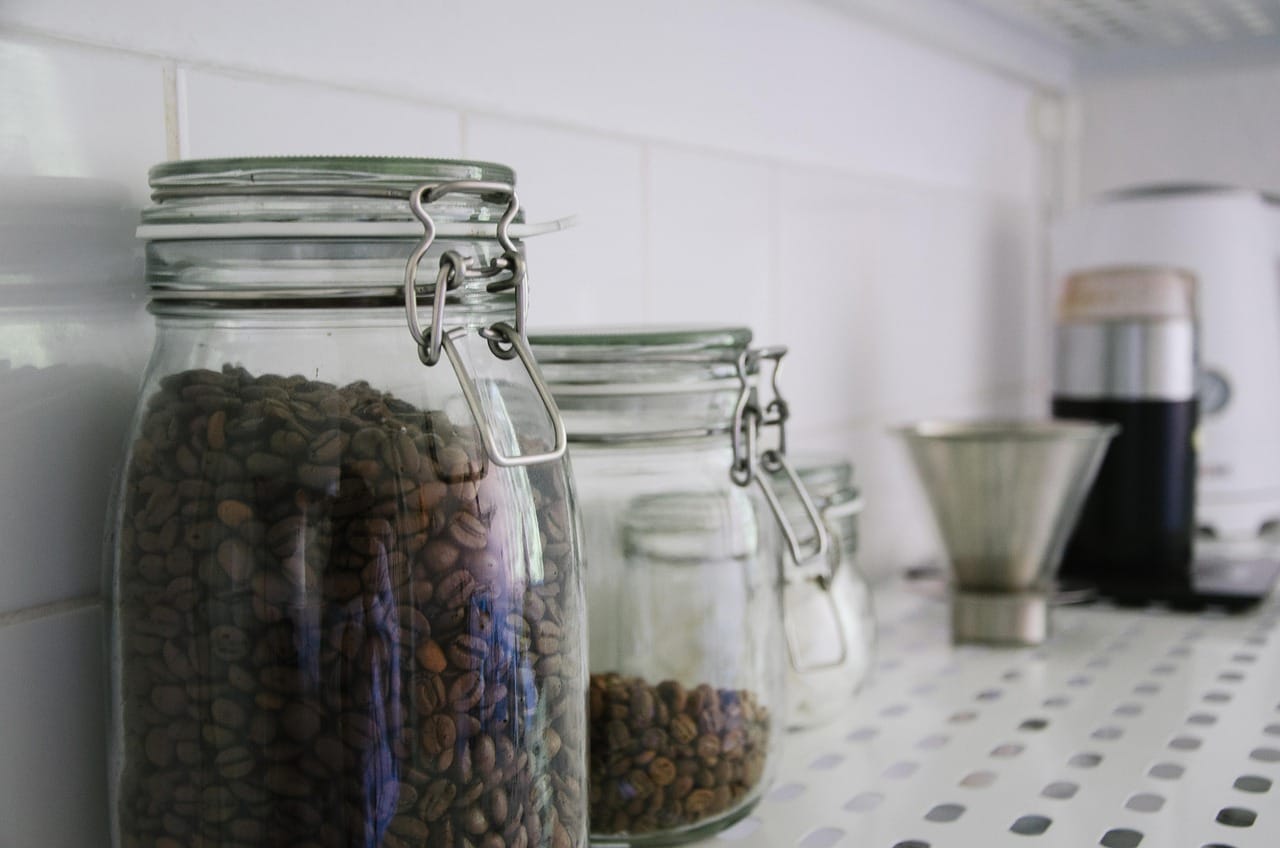
Place shelves away from the hob, or fit a good extractor fan. Grease rises, and shelves directly above a cooker will need cleaning every week.
Materials
| Material | Good for | Watch out for |
|---|---|---|
| Oiled oak | Warmth, strength | Needs re-oiling once a year |
| Painted wood | Matching the walls | Chips at the edges |
| Steel | Heavy loads, modern kitchens | Fingerprints |
| Stone | Very heavy items | Needs strong fixings |
A middle way
Many of the kitchens we visit use both: wall cupboards on one side, a single open shelf on the other, usually by a window. It gives you the lightness without giving up the storage.