A limewash living room in six weekends
Soft walls, three lamps and one re-covered chair. How we turned a room we walked through into a room we live in.

- Where
- Size
- Room
- Budget
- Time
- Style
Our living room was the room we walked through, not the room we lived in. It had a grey carpet, one bright ceiling light and walls painted a white so cold that it looked blue by four o'clock. This is how we changed it in six weekends, for less than two thousand pounds, with a bucket of limewash as the main tool.
Why limewash
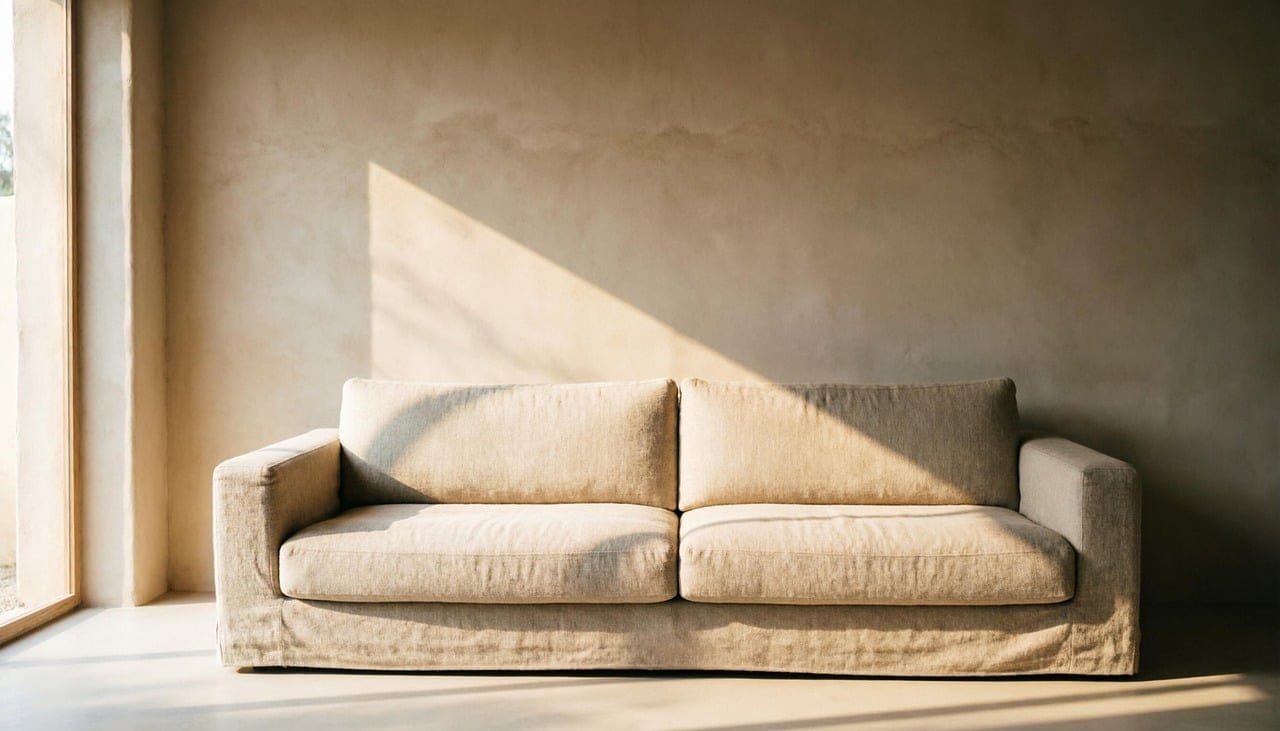
Limewash is lime putty, water and pigment. It is one of the oldest paints there is, and it does something modern paint cannot: it dries unevenly. Each stroke is a little lighter or darker than the one next to it, so the wall looks soft, like stone or old plaster, and it changes with the light through the day.
It is also honest about what it is. It breathes, so it suits old solid walls that need to let moisture out. It does not suit every surface: it needs a mineral base, so on modern emulsion you first need a special primer.
The colours
We wanted a room that felt warm on a grey February afternoon, without looking beige. After a month of sample boards propped against every wall, we chose five colours that work together.
- #D8C7B0 Oat — the walls, two coats
- #EFE7DA Linen — the ceiling and the alcove shelves
- #B0583B Terracotta — cushions, a vase, one lamp
- #7C8A6E Sage — the armchair and the plants
- #3B3129 Espresso — picture frames and the reading lamp
The rule we followed: one colour for the walls, one lighter for the ceiling, and three accents that appear at least twice each. Repetition is what makes a room look planned instead of collected.
How we did it
Weekend one was the least fun: we lifted the carpet, found boards that were better than we hoped, and filled every crack in the walls. Weekend two was the primer. Weekends three and four were the limewash itself, two coats with a big block brush, in short crossing strokes.
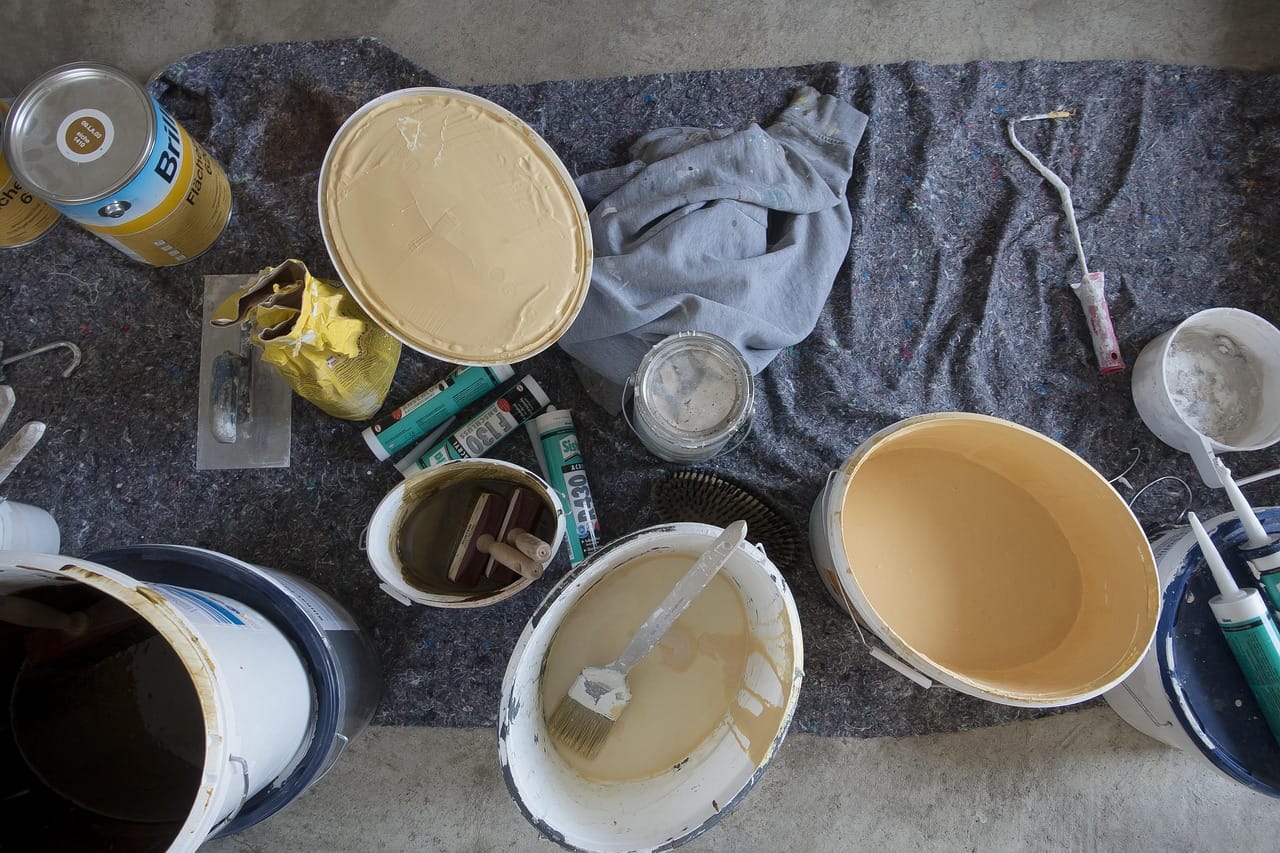
The technique is simple, but it asks you to stop worrying. Brush in an X pattern, keep a wet edge, and do not go back into a patch that has started to dry. The marks you are afraid of on the first coat are the texture you will love after the second.
The furniture we kept, and moved
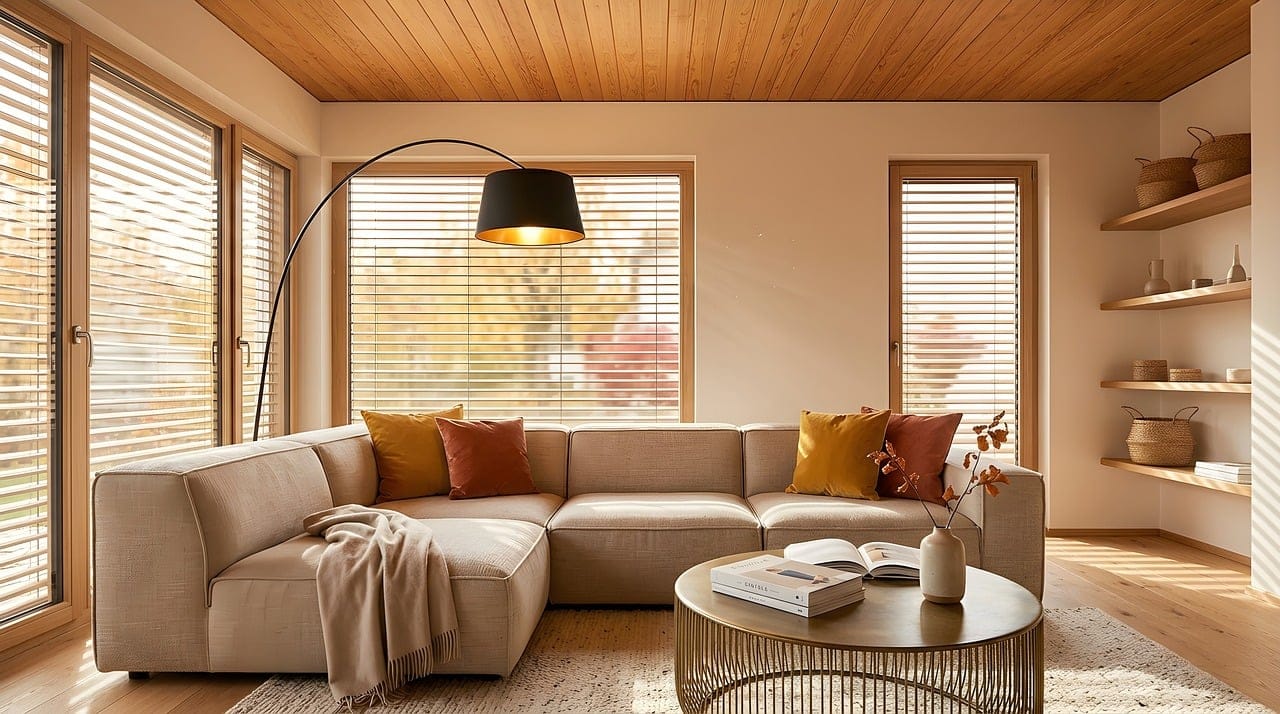
We bought almost nothing new. The sofa moved from the window wall to face the fireplace, which made the room a room instead of a corridor. The armchair was re-covered in sage linen. The ceiling light was switched off for good and replaced by three lamps at three heights.
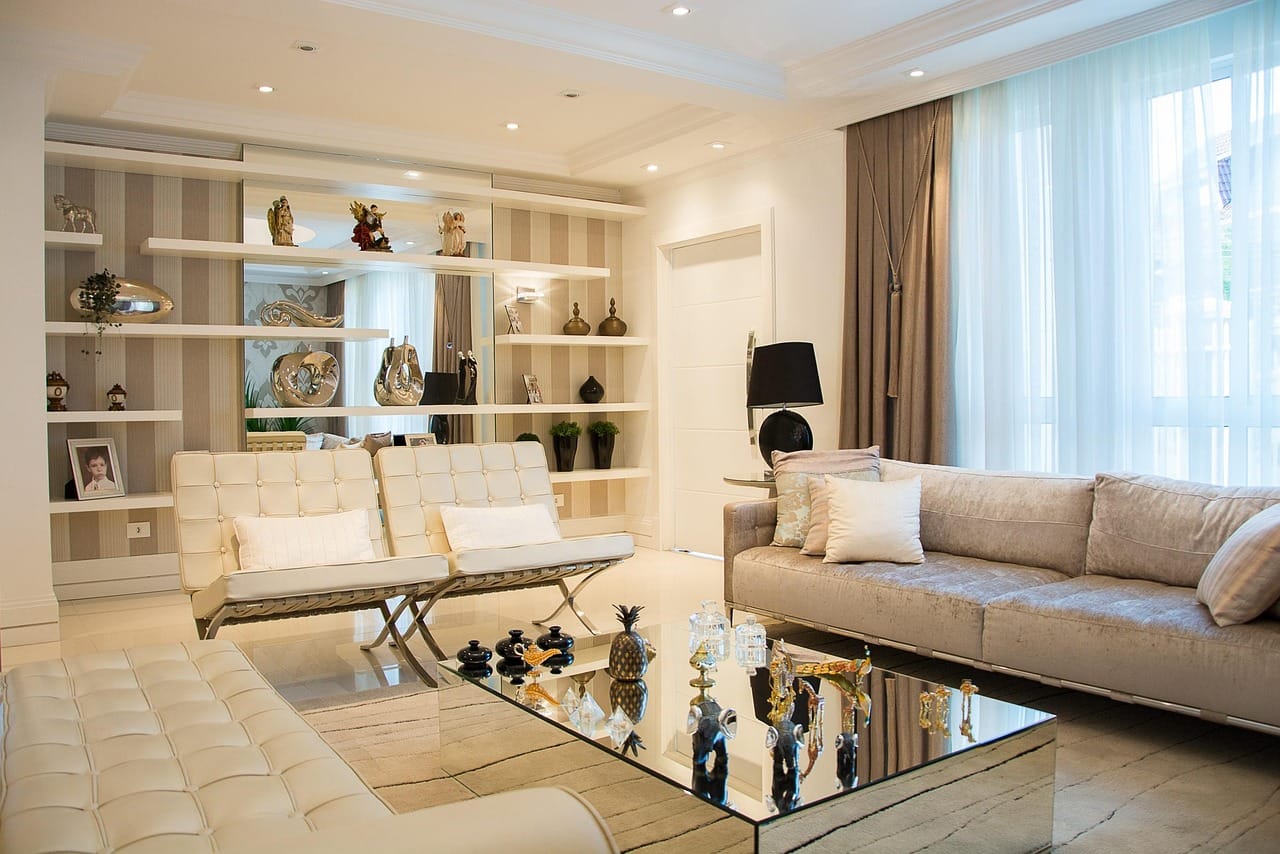
A room is warm because of the light at night, not the paint by day.
Sofia Marin
What it cost
- Limewash, primer and brushes: £420
- Floor sanding hire and oil: £310
- Re-covering the armchair: £560
- Three lamps: £390
- Cushions, frames and a rug: £220
That is £1,900 in total, and about a quarter of it was the chair. If you do only one thing from this list, do the lamps.
What we would do differently
We would test the primer on a hidden patch first. In one corner the old paint was so glossy that the primer did not grip, and we had to sand it back and start again. That cost us most of a Sunday.
We would also buy one more litre than the calculator says. Limewash goes further than paint on smooth walls and much less far on old plaster, and a second batch mixed a month later is never exactly the same colour.
Living with it
Three months on, the room is the one we use most. We read in it, eat in it on Friday nights and fall asleep on the sofa in it more often than we admit. The walls have picked up a few marks where chairs knock them, and we have learned to like those too: limewash wears like old stone, not like a scratched car.
The biggest surprise is the evening. With the ceiling light gone and three lamps on, the uneven walls glow, and the corners that used to be dark now hold soft pools of light. A room that was cold at four o'clock is now the warmest room in the house at nine.