Linen, wool and oak: a guide to natural materials
What each material does well, how to mix them and how to look after them for decades.

- Where
- Size
- Room
- Budget
- Time
- Style
The rooms people remember are rarely the most expensive ones. They are the ones that feel good to touch: a linen sheet, a wool throw, an oak table worn by years of plates. This is our guide to the natural materials that make a home feel warm, what each one does well, and how to look after it.
Linen
Linen is made from flax, one of the oldest fibres there is. It is cool in summer, warm in winter and gets softer every time you wash it. It creases, and that is part of its charm: nobody irons linen bedding in a house that loves it.

Look after it: wash at 40 degrees, dry on a line, and never use fabric softener, which coats the fibres and makes linen less absorbent.
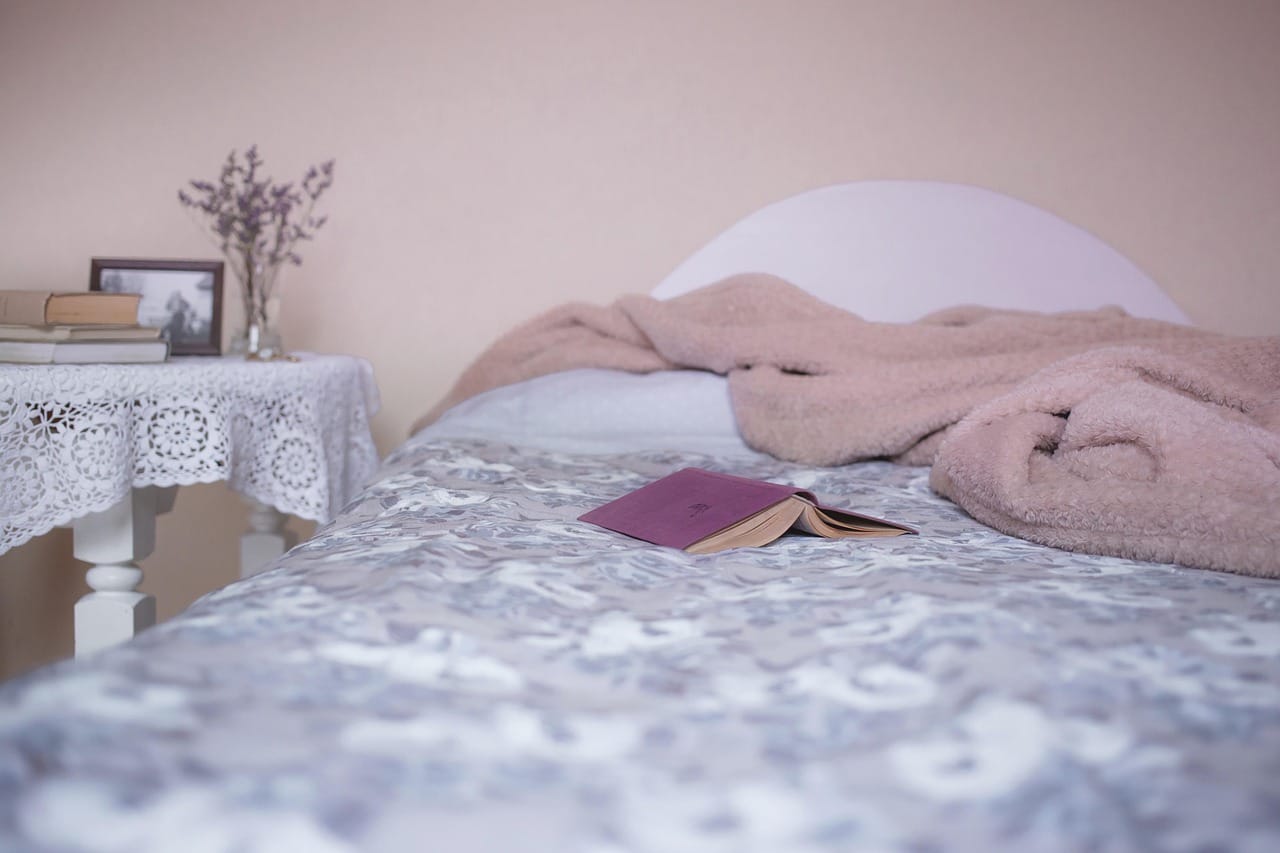
Washed linen bedding set
Duvet cover and two pillowcases in stone-washed flax. Soft from the first night, and softer every wash.
Wool
Wool is warm, breathes, resists stains and does not catch fire easily. A wool throw on a sofa or a wool rug on a wooden floor changes how a room feels on a cold evening more than any heating.
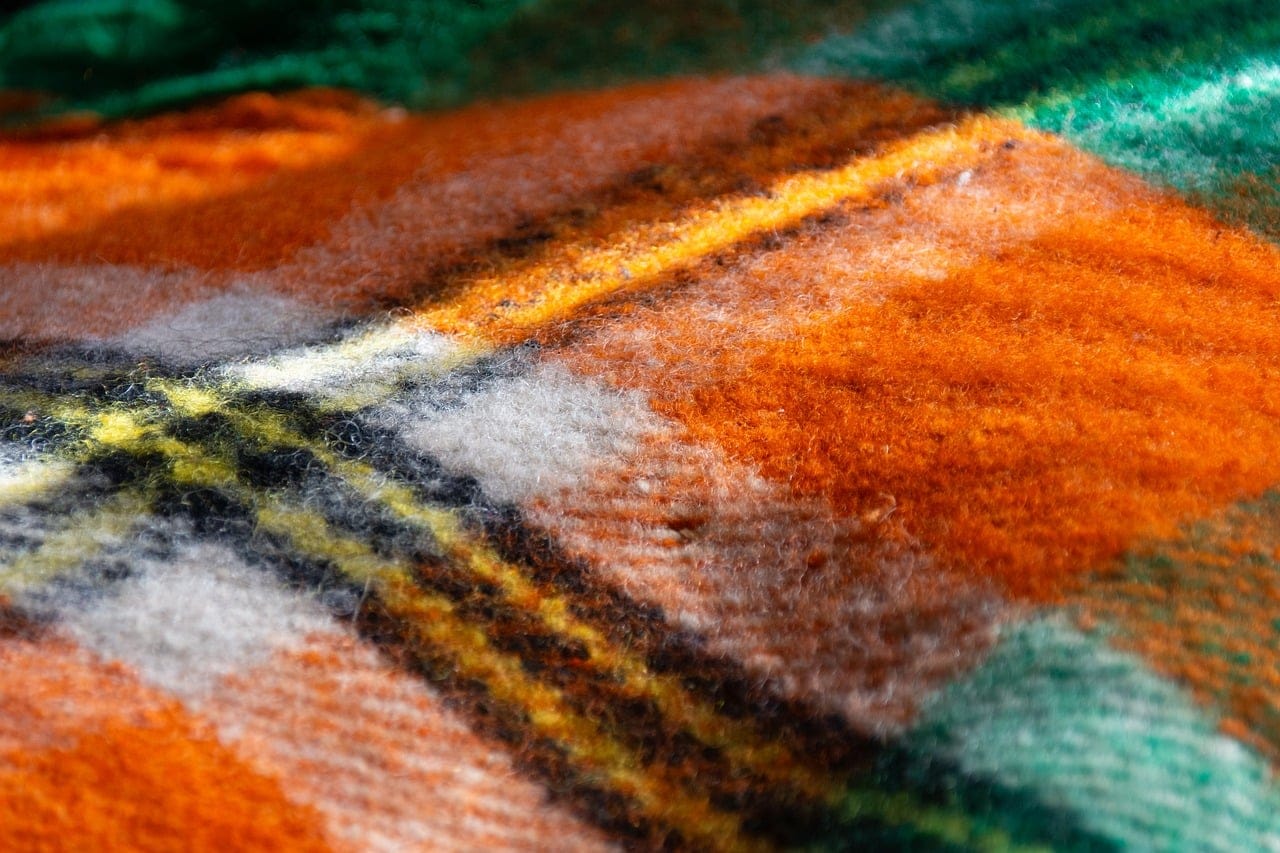
Look after it: air it outside rather than washing it. Wool cleans itself surprisingly well. When you do wash it, use cold water and a wool detergent, and dry it flat.
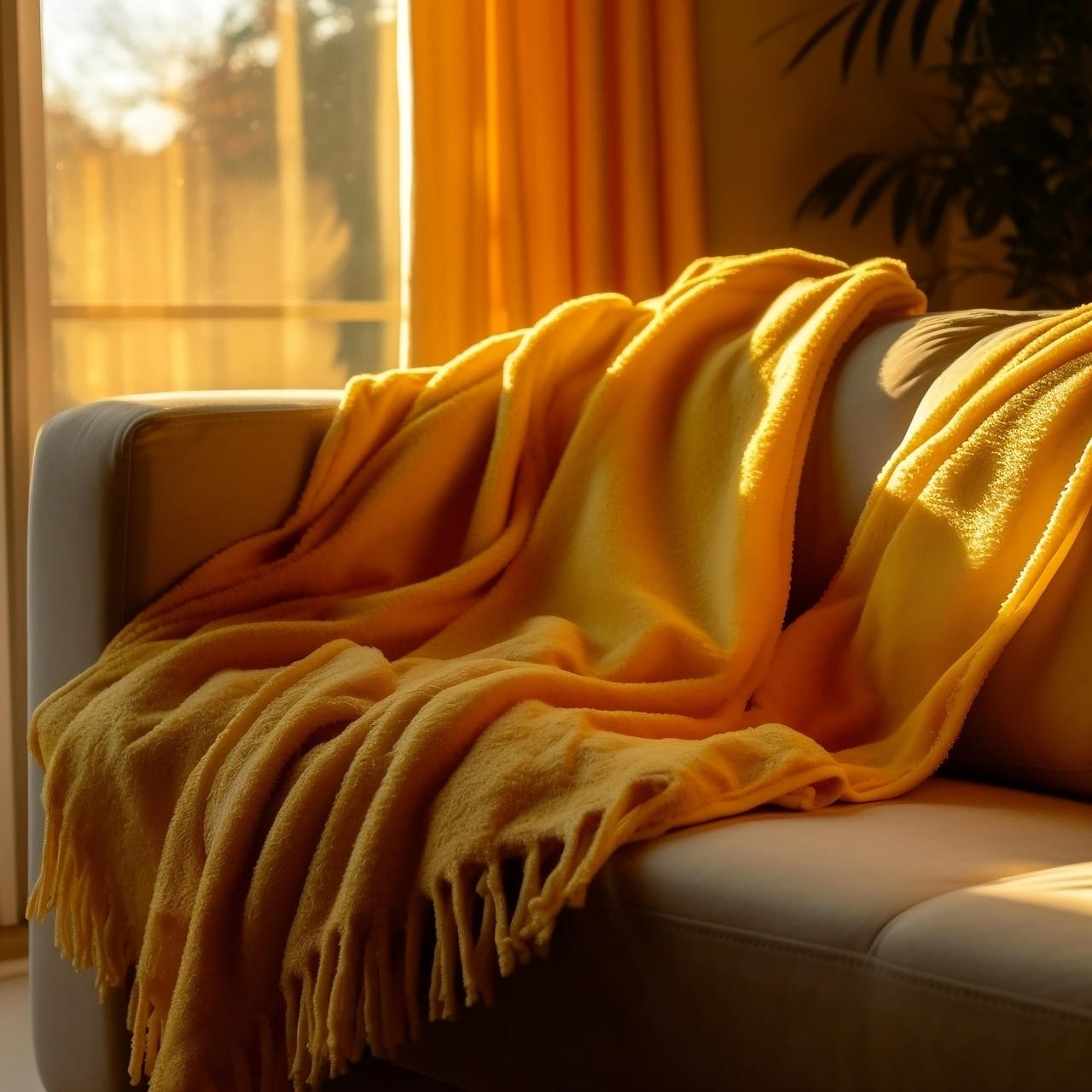
Chunky wool throw
Undyed British wool, knitted in Yorkshire. Big enough for a sofa, heavy enough for winter.
Oak
Oak is hard, heavy and beautiful as it ages. An oak table or floor will outlive you if you look after it, and it can be sanded back and refinished many times.
Look after it: oiled oak needs a fresh coat of oil once or twice a year, more on a kitchen worktop. Wipe spills quickly, especially red wine and water rings.
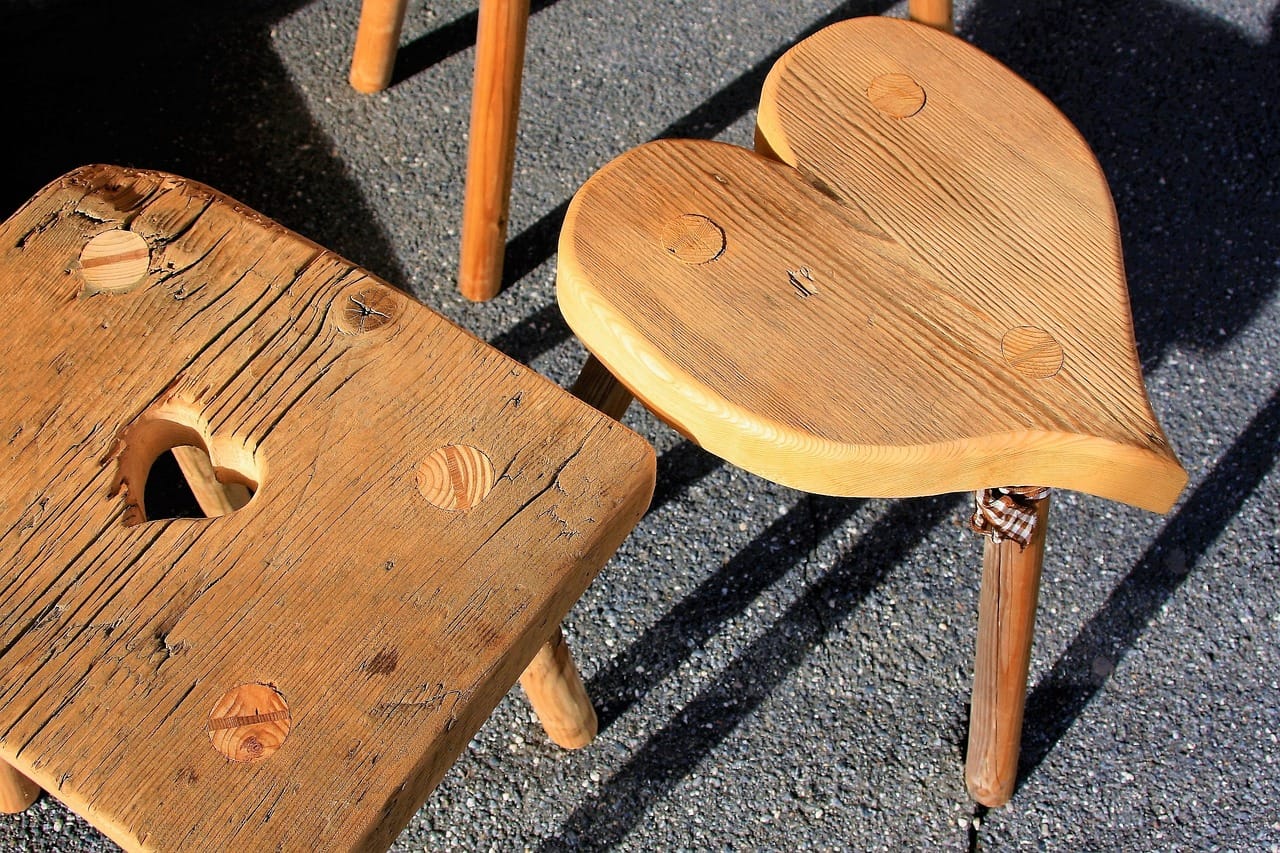
Oiled oak stool
Solid European oak, joined by hand. A seat, a side table and a step, in one small piece.
Rattan and cane
Rattan is a climbing palm, woven into chairs, baskets and screens. It is light, strong and brings a warm, relaxed texture to a room, especially next to linen and wood.
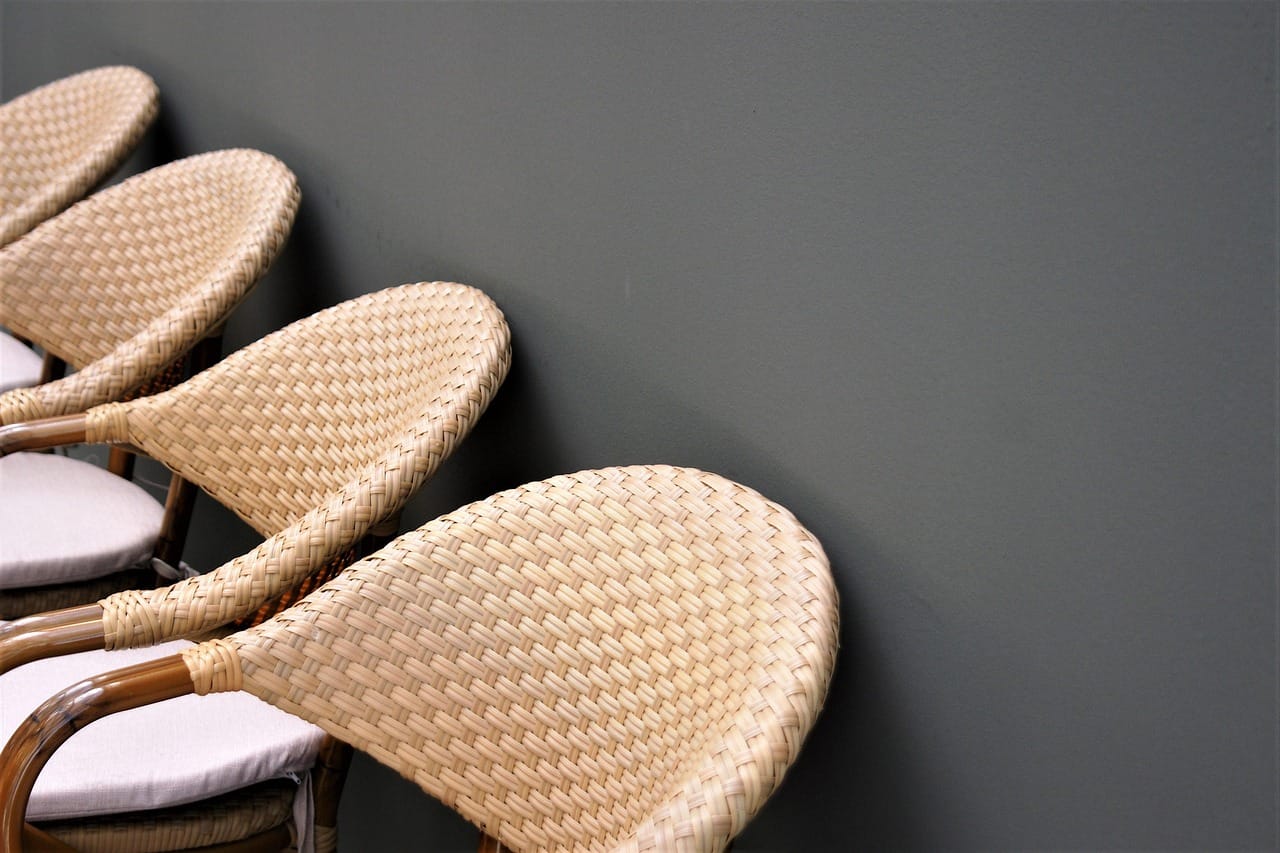
Look after it: dust it with a soft brush, keep it out of strong direct sun, and wipe it with a damp cloth once a year so the fibres do not dry out.
Clay and stone
Terracotta pots, a stone windowsill, a handmade tile: clay and stone bring weight and calm to a room. They stay cool in summer and hold warmth in winter.
How to mix them
Use one material as the main one and others as accents. In a bedroom, linen is the main material, with a wool throw and an oak bedside table. In a living room, the oak floor leads, with a linen sofa, a wool rug and a few clay pots.
Natural materials do not stay new. That is exactly why we love them.
Maren Holt
Why it matters
Natural materials last longer, can be repaired, and age well instead of wearing out. They often cost more at first and less over the years. A wool throw bought once is warmer than three synthetic ones bought over ten winters.
Buying second-hand
Natural materials are the best thing to buy second-hand, because they last. An oak chair from a house clearance, a wool blanket from a charity shop or linen sheets from an antiques market often cost less than new synthetic ones and will outlive them. Wash textiles on a hot cycle when you get them home, and check wood for woodworm: small round holes with fine dust underneath.
A word about cost
Natural materials are not always expensive. Cotton, jute and pine are cheap and honest. What matters most is avoiding things that pretend to be something else: plastic that looks like wood, polyester printed to look like linen. They age badly, and they are the first things you replace.