Build a colour palette from one thing you love
A bowl, a rug or a painting already holds colours that work. Five steps to a whole room.

- Where
- Size
- Room
- Budget
- Time
- Style
Choosing colours for a whole room, or a whole home, can feel impossible: thousands of paints, endless fabrics, and no idea where to start. Our favourite method begins with one object you already love, and builds a palette from it.

Step 1: Choose one object
Pick something you already own and love, and that has at least three colours in it. A painting, a rug, a patterned cushion, a ceramic bowl, even a photograph from a holiday. It already contains colours that work together, chosen by someone who thought about it.
Step 2: Find three colours in it
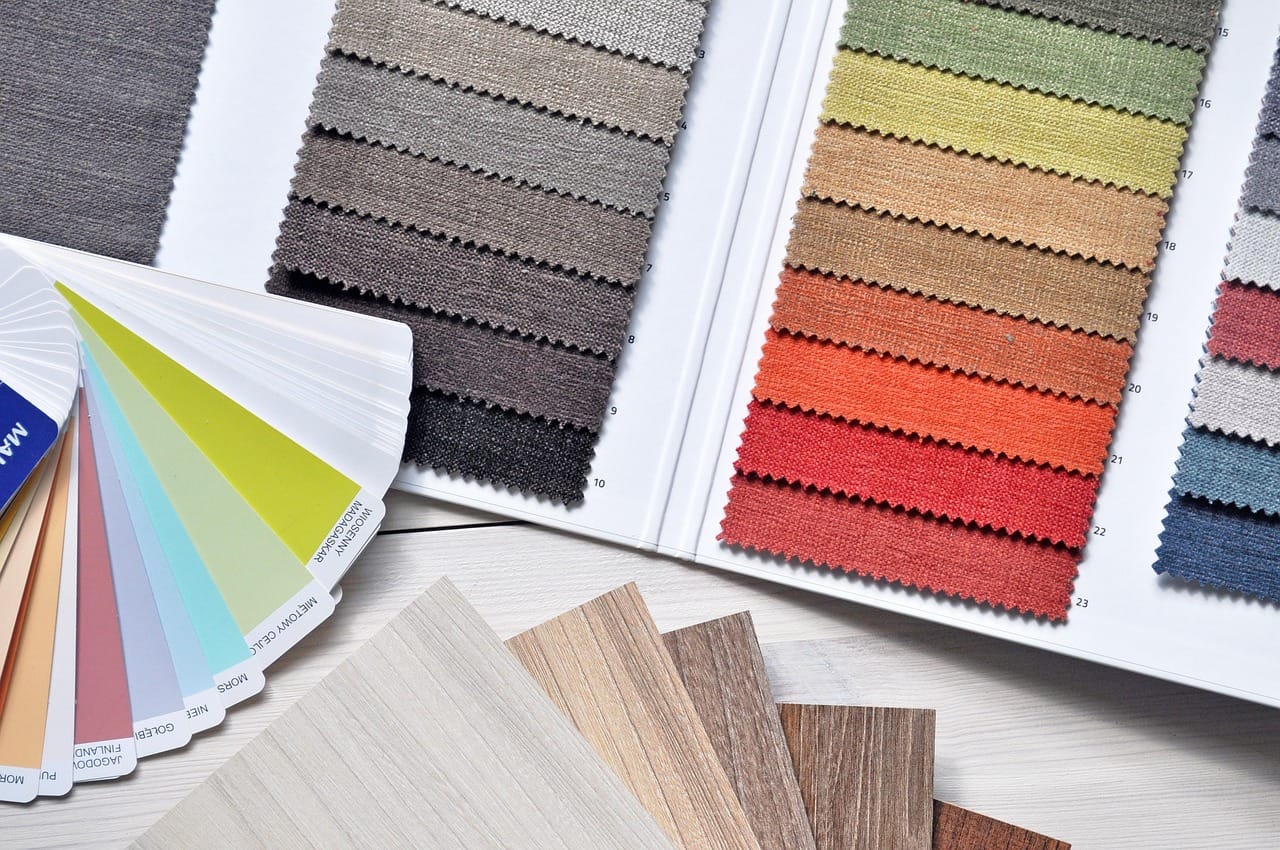
Look closely and pick out three colours:
- A main colour, usually the lightest or most neutral. This becomes the walls.
- A second colour, medium in strength. This becomes the larger furniture: a sofa, curtains, a rug.
- An accent, the boldest. This becomes small things: cushions, a lamp, a vase.
Our example came from a hand-painted bowl:
- #EDE4D3 Parchment — the walls
- #7C8A6E Sage — the sofa and curtains
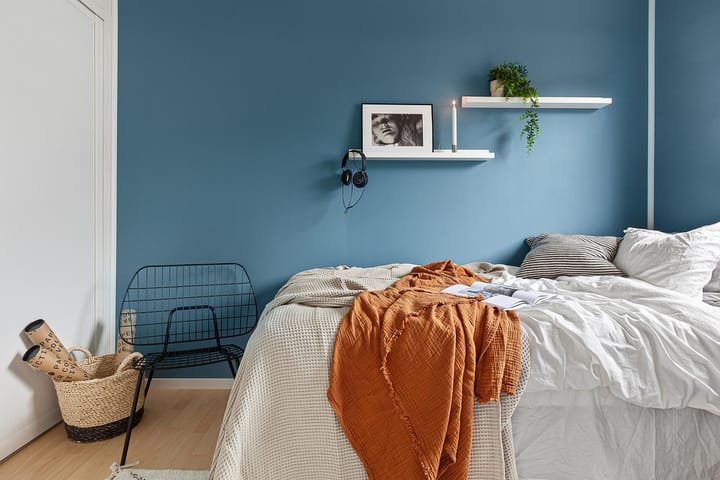
- #C9774F Terracotta — cushions and a lamp
- #3B3129 Espresso — picture frames and a side table
Step 3: Use the 60-30-10 rule
A simple guide used by many designers: about 60% of the room in the main colour, 30% in the second and 10% in the accent. It is not a law, but it stops the accent from taking over and keeps the room balanced.
The object already did the hard work. Someone chose those colours to live together.
Maren Lind
Step 4: Add a neutral and a dark
Most rooms need something very dark, like black frames or dark wood, to give the eye a resting point. They also need natural textures: wood, linen, wool. These are not part of the palette; they are what holds it together.
Step 5: Test in the room
Take the object to the paint shop, but test the paint at home. Colours change completely between the shop light and your own room. Paint large samples and look at them, with the object beside them, at different times of day.